Eating with the seasons
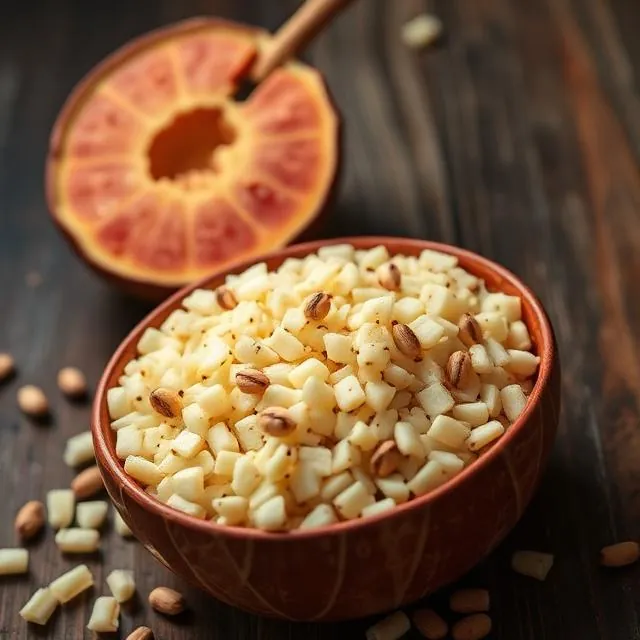
There is a particular kind of pleasure in eating something at the exact moment it is meant to be eaten. A tomato in late summer, still warm from the windowsill, tastes like a different food from the pale one you buy in February. A bowl of roasted roots in November lands in a way that a summer salad never could when the wind is rattling the window. Eating with the seasons is not a rule to obey or a badge to earn. It is simply the oldest, easiest way to eat well: you follow what the year is already offering, and you let it do most of the planning for you. This piece is about how that works in an ordinary kitchen, without a farm, a garden, or a lot of spare time.
Why the calendar makes a good shopping list
Left to our own devices, most of us eat a fairly narrow set of meals on repeat. We buy the same things, cook the same handful of dinners, and drift through the year without much change on the plate. Seasonal eating breaks that loop for you, gently, because the shops keep changing what looks good and costs less. In spring the greens arrive; in high summer the soft fruit and tomatoes take over; autumn brings squash, apples and the first proper root vegetables; winter leans on hardy greens, stored roots and warming grains.
You do not have to memorise any of this. If you shop where prices and displays shift with the harvest — a market, a greengrocer, the loose produce at the edge of a supermarket — the season tells you what to buy just by being cheap, plentiful and obviously fresh. Follow that, and variety arrives on its own.
Freshness you can actually taste
Produce picked closer to when you eat it has usually travelled less and waited less. That often shows up as flavour and texture: crisper, sweeter, more itself. When a food tastes good on its own, you need less to make a meal of it. A ripe summer tomato wants little more than salt and good oil. A firm autumn apple is a snack with nothing added. Cooking gets simpler precisely because the ingredients are doing more of the work.
How to eat seasonally without a project
The mistake is to treat this as a strict system with charts and rules. It works far better as a loose habit. Here is the whole method in a few lines.
- Shop with your eyes. Buy what looks best and is stacked high — that is usually what is in season.
- Cook the vegetable, not the recipe. Decide dinner around whatever you bought, rather than choosing a dish first and hunting for out-of-season parts.
- Keep a few flexible meals. A traybake, a soup, a grain bowl and a simple pasta will each happily take whatever the season hands you.
- Let some things repeat. Eating a vegetable for a couple of weeks while it is at its best, then moving on, is a feature, not a rut.
You do not plan seasonal eating. You let the year plan it, and you just keep up.
A quick loop through the year
Spring is the moment to lighten up. After a winter of heavier plates, the body often wants greens, herbs and brighter flavours, and the shops oblige. Summer is generous and low-effort: fruit you can eat out of hand, tomatoes and cucumbers that barely need cooking, meals that can be thrown together while it is too hot to stand over a stove.
Autumn is where cosy cooking really begins. Squash, apples, mushrooms and the first roots invite roasting and slow, warm dishes. Winter narrows the field but rewards patience: cabbages and hardy greens, stored roots, dried beans and grains that turn into stews, bakes and bowls of something hot. Each season has its own small comforts, and part of the pleasure is missing a food for a while and then welcoming it back.
Storing and stretching
Seasonal eating pairs naturally with a little home preserving, and none of it needs to be ambitious. A glut of summer fruit becomes a jar of compote for winter breakfasts. Herbs at their peak can be frozen in oil. Roasted autumn vegetables keep for days and fold into lunches all week. You are not building a pantry for a siege; you are just carrying a little of one season into the next.
Room for the modern pantry, too
None of this means turning up your nose at frozen peas or a tin of tomatoes in January. Frozen and tinned staples are often picked and packed at their peak, and they keep a seasonal approach realistic on a busy weeknight. The point is not purity. It is variety, flavour and a gentle rhythm that matches the year — with the freezer and the store cupboard filling the gaps without guilt.
If you would like a warm place to start, a bowl of warm grains in the morning takes seasonal fruit beautifully, and a calm evening at home is the natural home for a slow, seasonal supper. Eat what the year is offering, keep it simple, and let the plate change as the light does.
← Back to all reads